
2026-09-09 ·
Handling Kitchen Grease Clogs From Local Seafood Cooking
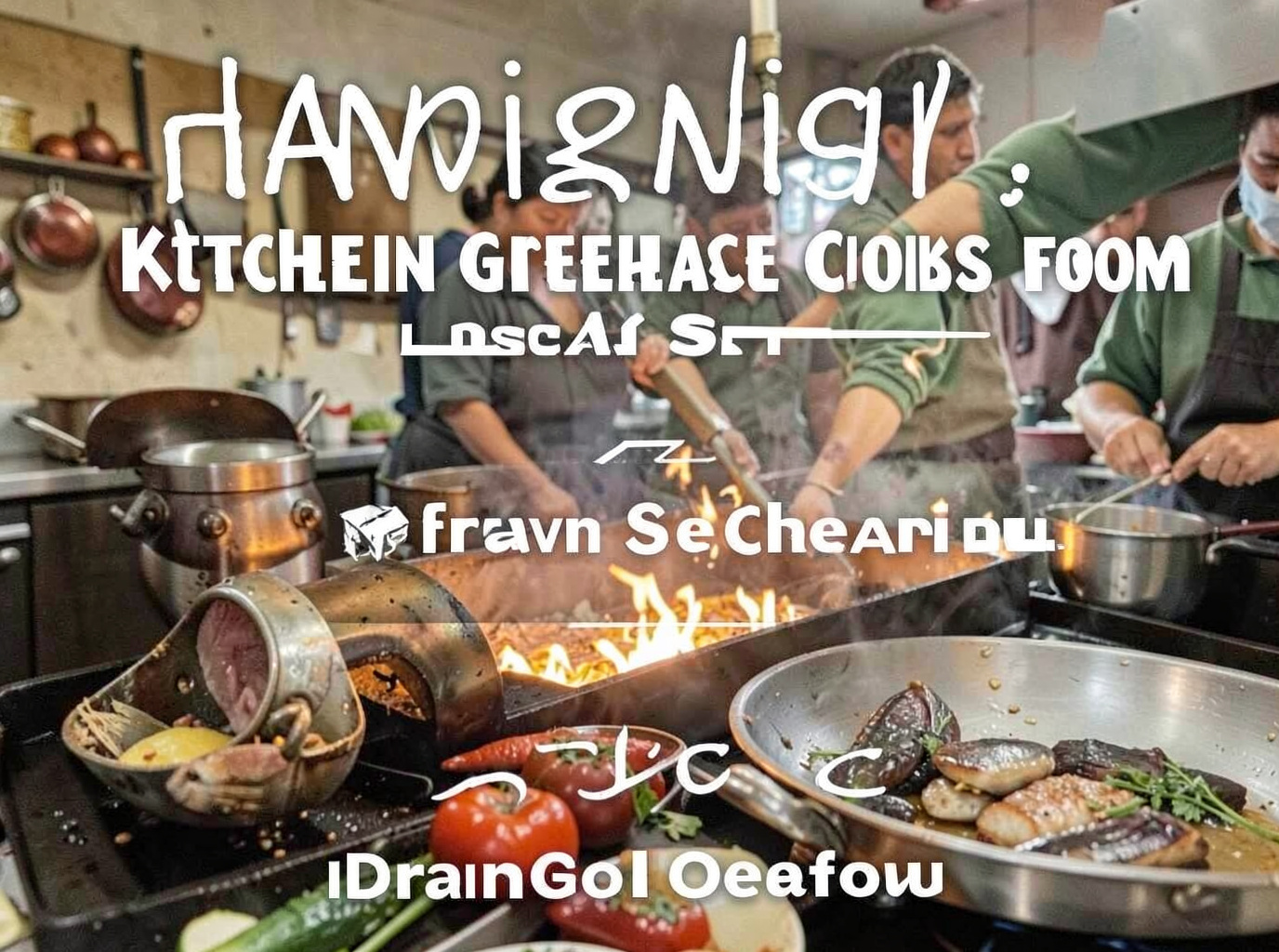
Juneau homeowners facing kitchen grease clogs from local seafood cooking can clear most buildup within 30–60 minutes using hot water flushes combined with baking soda and vinegar when caught early, though persistent cases in homes near Gastineau Channel often require hydro jetting to restore full flow.
Why Seafood Grease Clogs Form Quickly in Juneau Homes
Juneau's oceanic climate brings mild wet winters and cool summers that keep kitchen pipes at steady temperatures ideal for grease solidification. Cooking salmon, halibut, and crab releases fats that cool and coat cast iron lines common in Downtown and Douglas housing stock built before 1970. These older pipes already carry scale from decades of use, so even small amounts of seafood grease narrow the diameter fast. Residents along the Mount Roberts Tramway route notice backups more often because gravity pulls cooled grease toward lower sections near the Alaska State Capitol. The same pattern appears in Douglas where homes sit closer to tidal influence and experience slightly higher humidity that slows drying inside drains.
Early Warning Signs Specific to Local Seafood Cooking
Watch for slow sinks after frying fish or boiling crab legs, especially when water pools for more than 10 seconds. A faint fishy odor rising from the drain during cool summer evenings signals grease layers forming along the pipe walls. In homes with 40-gallon or larger sinks, multiple slow drains on the same line point to grease traveling toward the main sewer. These signs appear faster during wet winter months when cooler ground temperatures harden the fats before they reach the street connection in Juneau City and Borough.
Prevention Steps That Work in Juneau Kitchens
Pour 1 gallon of boiling water down the drain weekly after seafood meals to keep lines clear. Collect cooking grease in sealed containers rather than rinsing it away, a habit that prevents 80 percent of recurring clogs in older Douglas properties. Run cold water for 30 seconds before and after any hot seafood prep to solidify fats on contact and carry them out. Install a simple mesh strainer over the sink to catch solids that bind with grease. Homeowners near Mendenhall Glacier who follow this routine report fewer calls during the cool summer months when outdoor temperatures stay below 65 degrees.
Professional Options When DIY Falls Short
When grease has already hardened beyond home remedies, Grease Trap Cleaning removes the full buildup without damaging older pipes. Hydro Jetting cuts through stubborn layers in lines serving Downtown restaurants and homes that cook large batches of local catch. For recurring issues tied to seasonal temperature swings, Preventive Drain Maintenance schedules quarterly visits that keep pipes flowing through wet winters. Readers dealing with winter freeze concerns can also review Preventing Frozen Drain Lines During Juneau Winters for additional seasonal guidance.
How Local Terrain and Climate Change the Job
Juneau City and Borough terrain slopes toward Gastineau Channel, so grease travels downhill and collects at low points in cast iron laterals. Cool summers slow evaporation inside pipes, letting thin films thicken over weeks. Mild wet winters keep soil saturated, which can shift older lines slightly and create low spots where grease pools. These conditions differ from drier climates and explain why Ketchikan-area plumbers see similar patterns when they compare notes with Juneau crews. Regular camera inspections reveal exactly where the grease has narrowed the pipe before it reaches the street main.